Keynotes
Invited Speakers
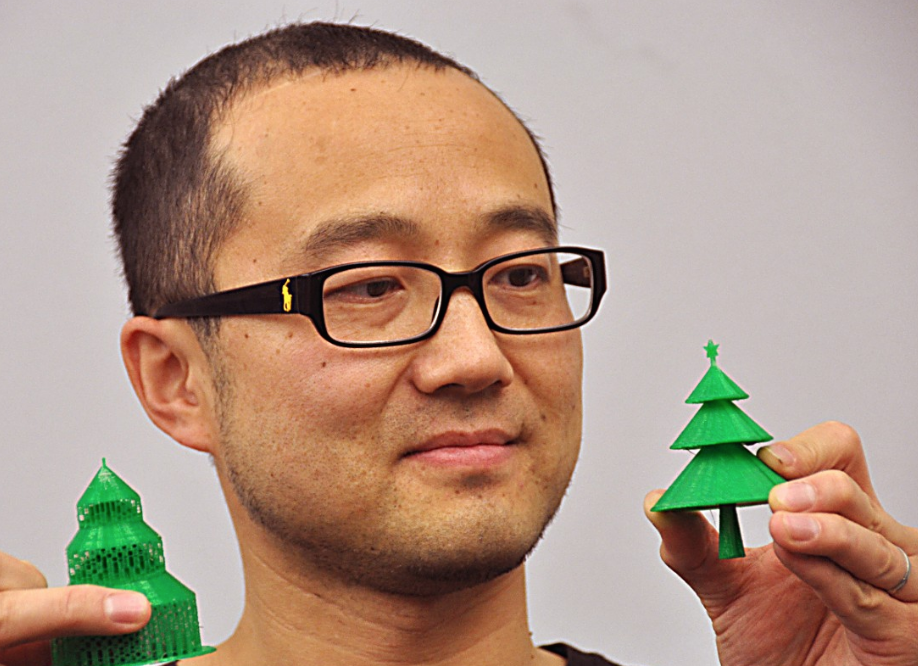
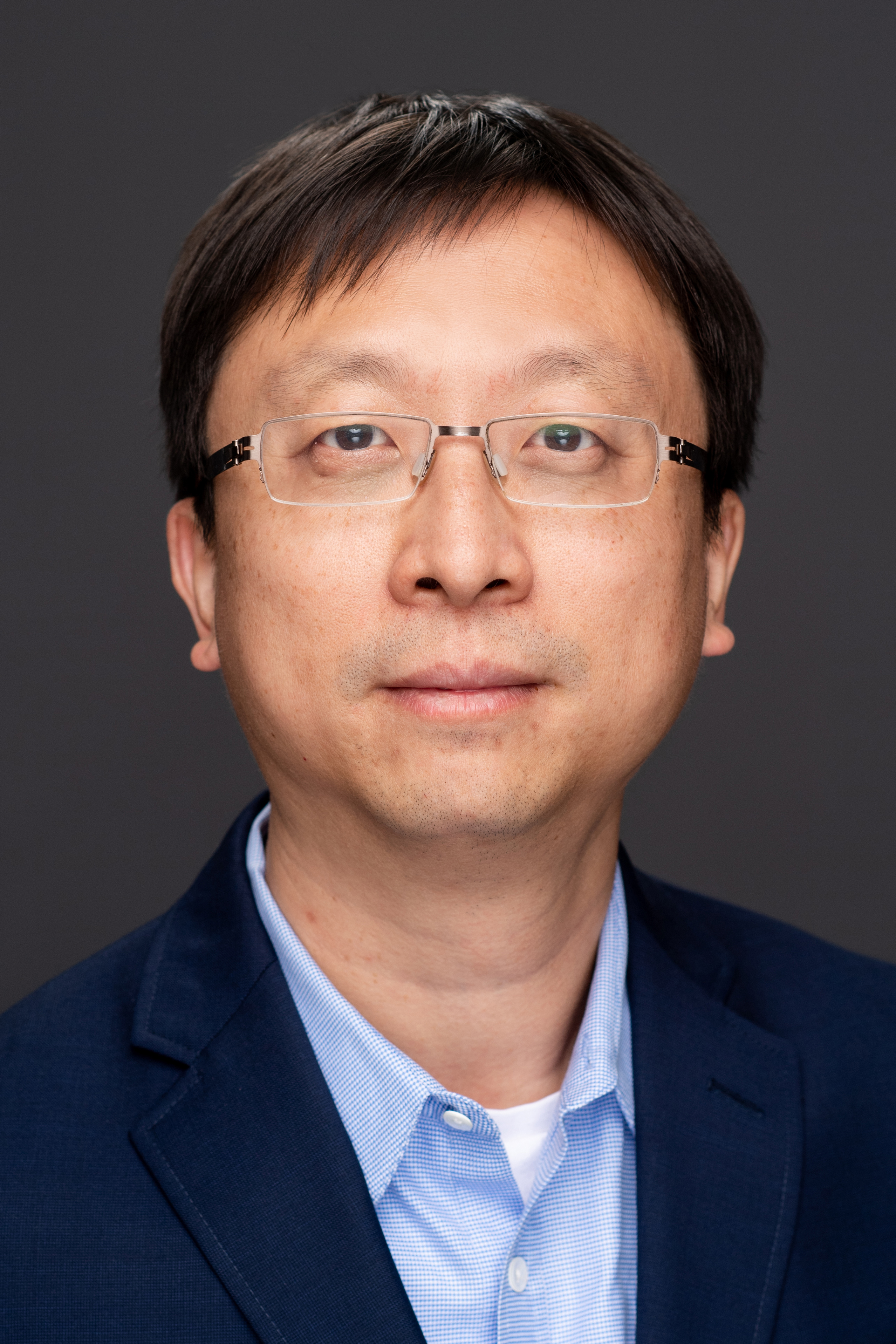
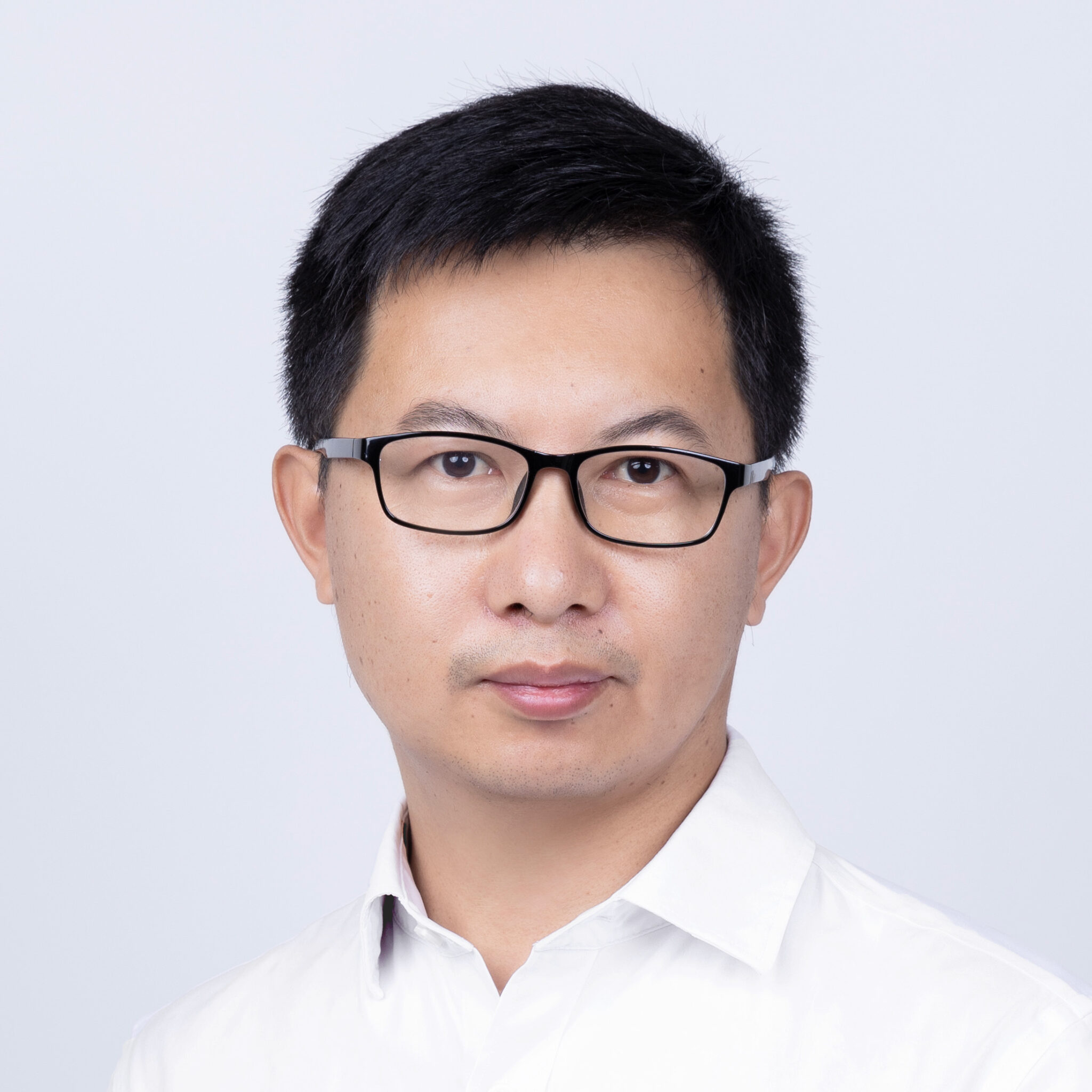
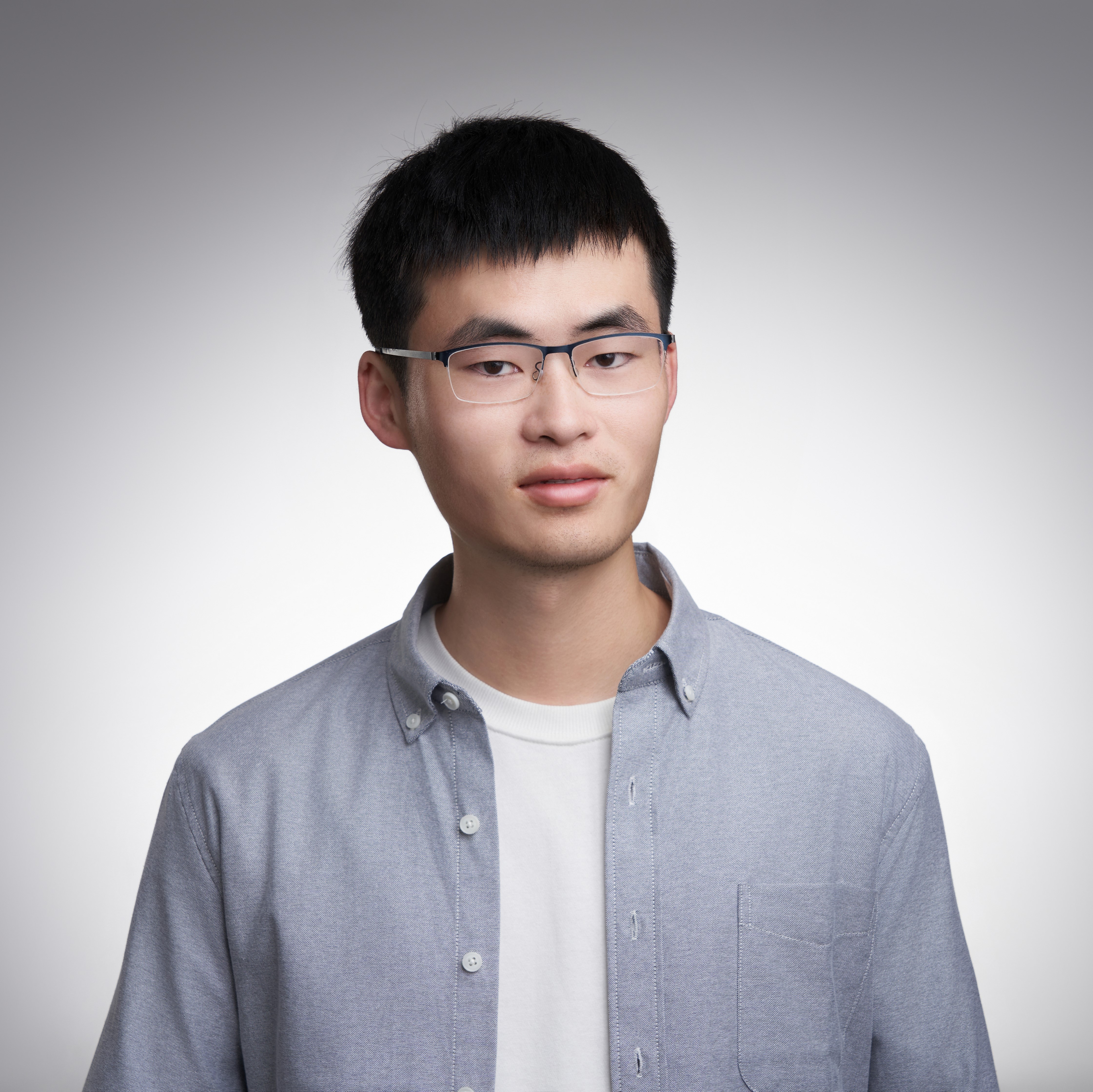
Prof. Hao (Richard) Zhang
Simon Fraser University
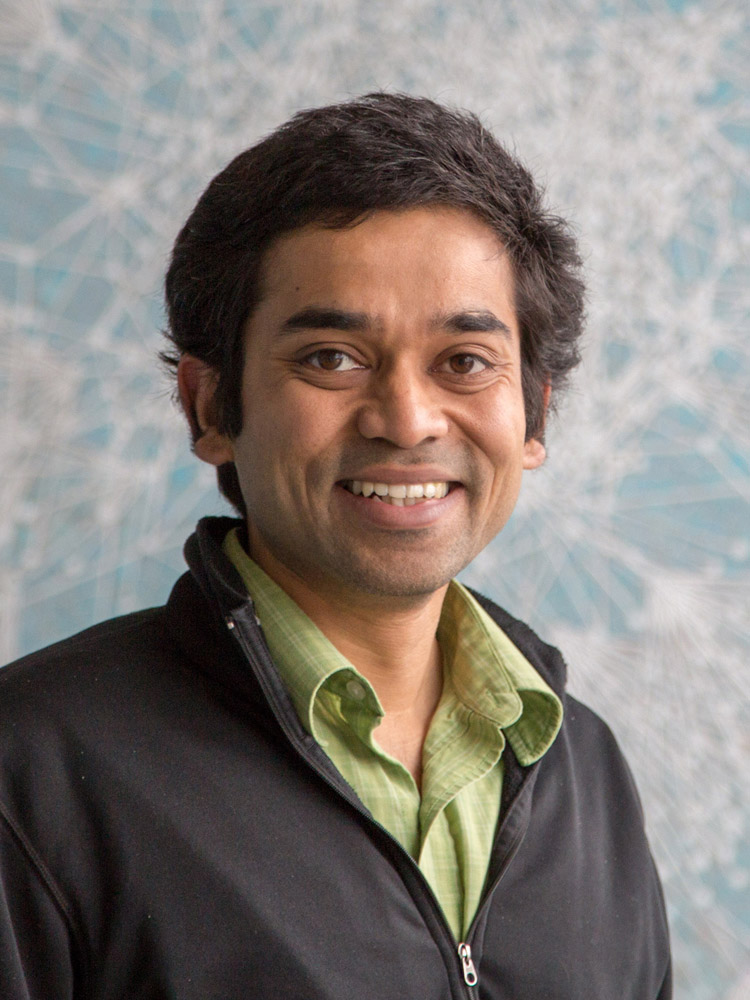
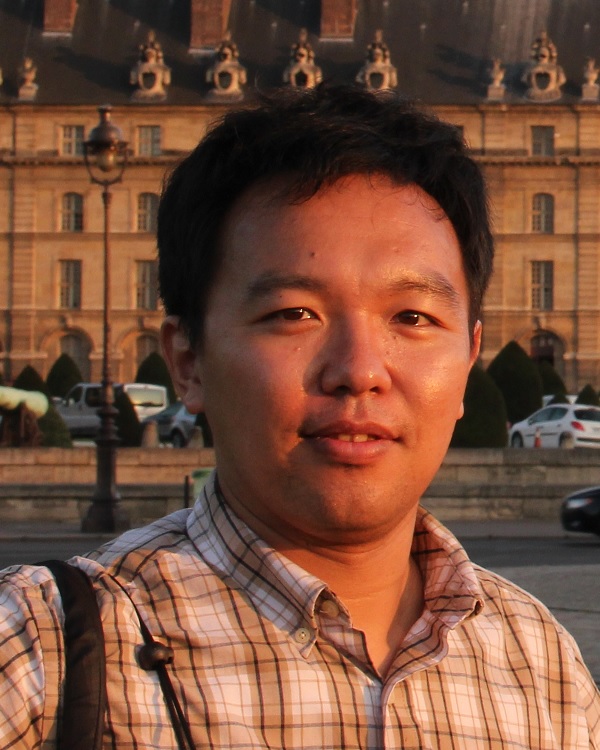
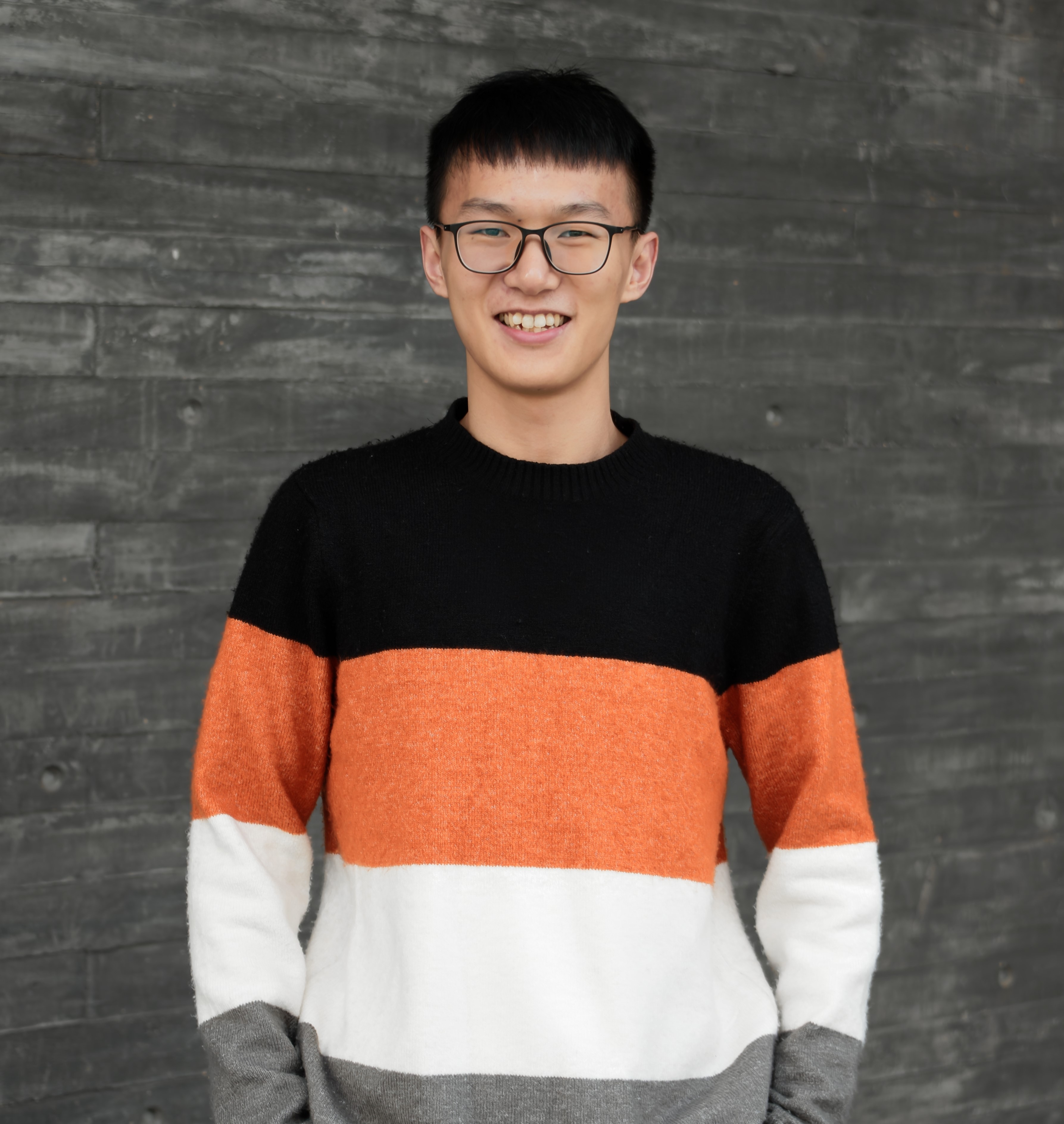
Prof. Niloy J. Mitra
University College London
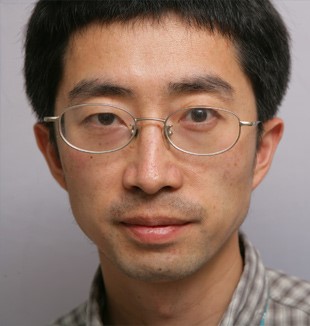
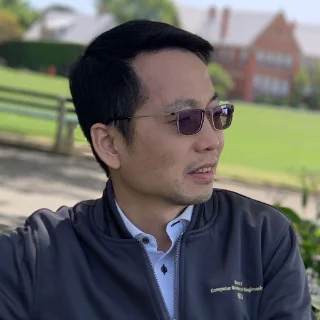
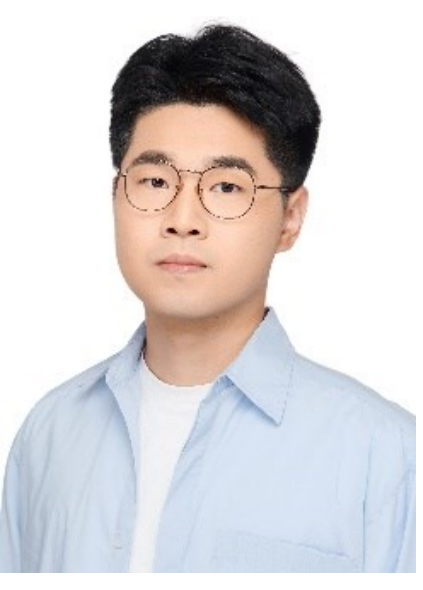
Dr. Xin Tong
Meshy
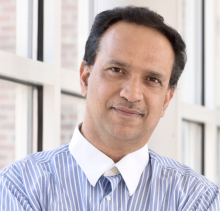
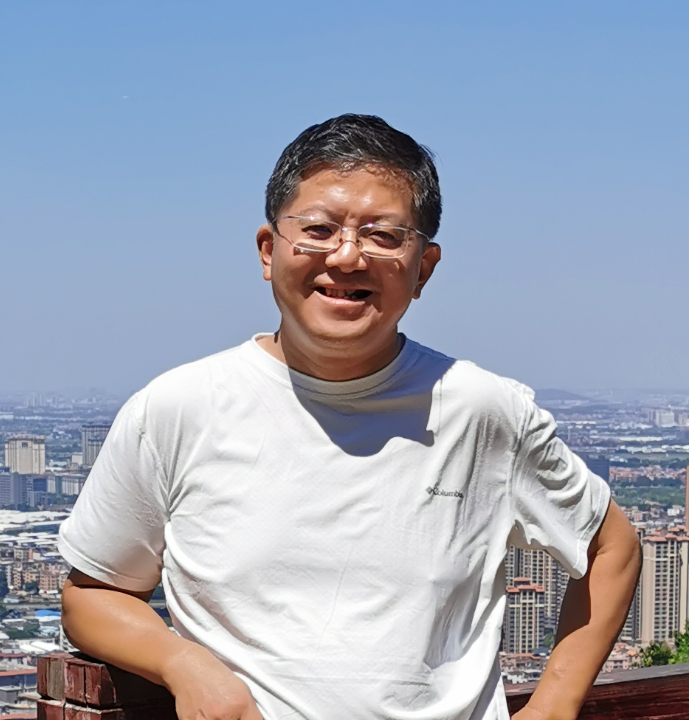
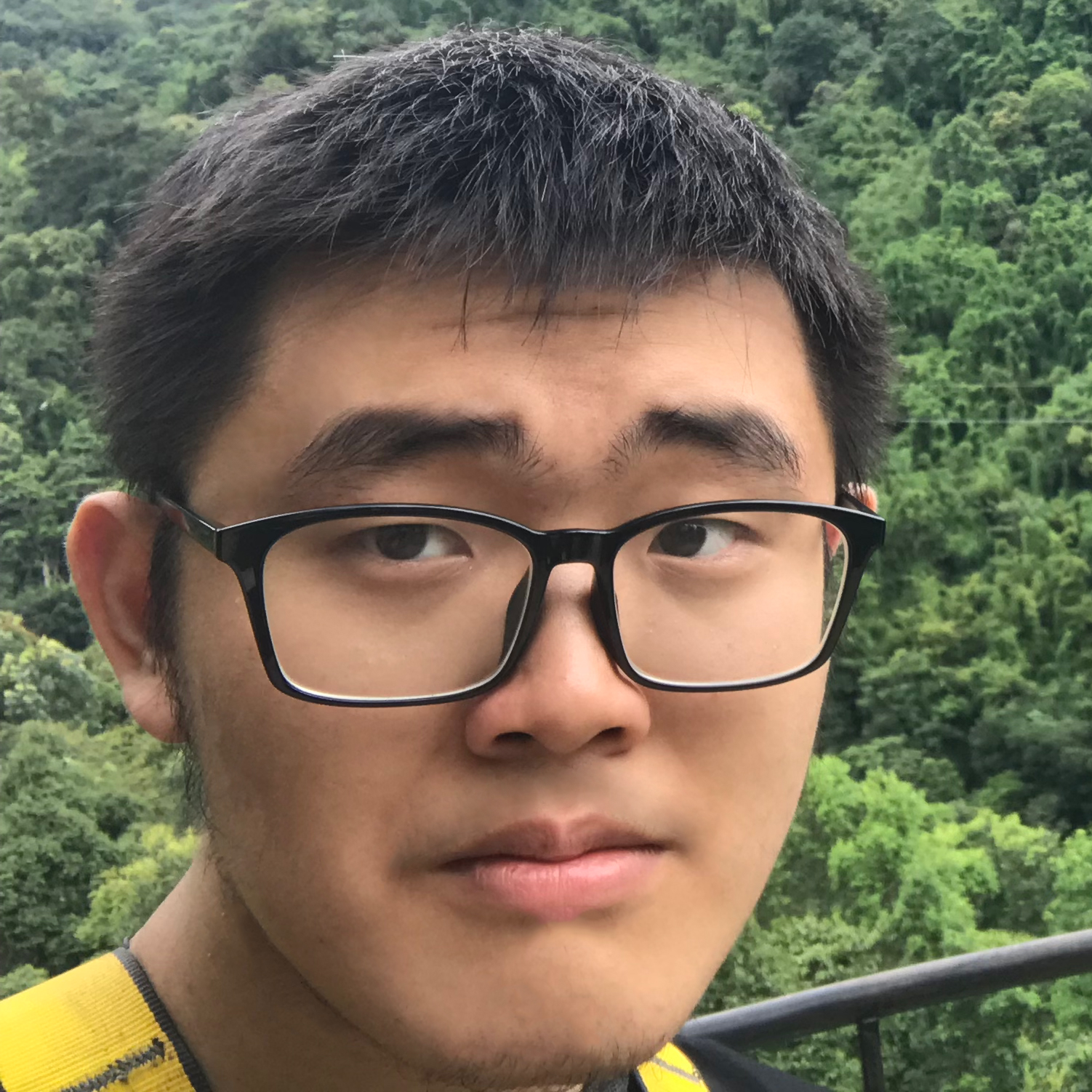
Prof. Dinesh Manocha
University of Maryland at College Park
ECCV 2026 Workshop
About
This workshop explores the intersection of generative AI and industrial engineering, bridging the momentum of generic 3D foundation models with the rigorous demands of manufacturable asset generation.
Recent 3D foundation models (e.g., HunyuanSD, TRELLIS) excel at cross-modal synthesis but lack the geometric precision required for real-world manufacturing. As generative AI expands into physical domains, strict geometric correctness becomes essential — additive manufacturing requires watertight, manifold boundaries for valid toolpaths, and robotic simulations depend on closed solid volumes.
The undeniable backbone of true manufacturability is CAD. Unlike visually-driven formats, CAD relies on a construction history — a strictly ordered parametric sequence of unique operations (extrusion, fillet, etc.). LLMs introduce a paradigm shift by reframing 3D modeling as program synthesis, enabling automation of complex sequential design commands.
Keynotes
Simon Fraser University
University College London
Meshy
University of Maryland at College Park
Competition
Participants take a 3D render and TechDraw views of a CAD model as input and generate the corresponding normalized STEP BRep.

The public dataset contains 8,344 training samples with target STEP files and 927 public test inputs. Each sample includes 3D render views and TechDraw views; public test targets are hidden and scored by the evaluation Space.
Submit a submission.zip with one STEP prediction per public test sample. The Hugging Face Space runs private evaluation and updates the leaderboard.
Participants may use any additional data, including private or proprietary data. There is no restriction to public training data only.
To be determined.
Program
September 8, 2026 · 13:30–18:00 (UTC+2) · Malmömässan, Room K1.
Team
Get in Touch
For inquiries about the workshop or challenge, feel free to reach out.
Chenyu Wang
chenyuwang@connect.hku.hk